What UX is: the experience beyond the interface
UX is one of those acronyms used so often that they end up meaning almost anything.
A tidy screen. A flow. A wireframe. User research. A designer working in Figma.
All of that can be part of UX work.
But none of those things, on its own, is the user experience.
User Experience describes something broader: what a person perceives, interprets, feels, and accomplishes when they relate to a product, service, or system.
And that experience does not necessarily begin when they touch a screen.
Nor does it end when they close an application.
UX does not start at the interface
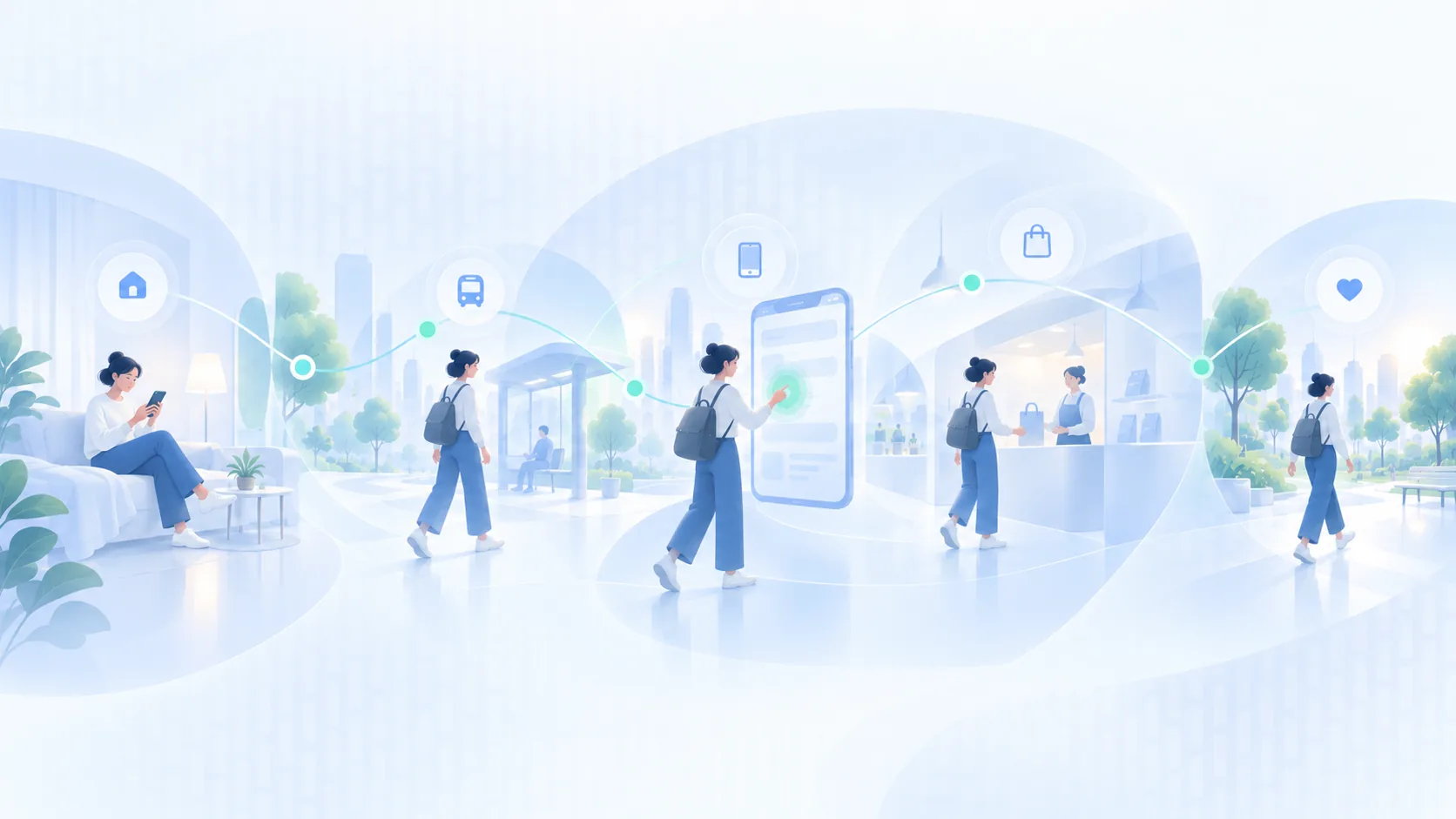
Imagine something ordinary: taking a train.
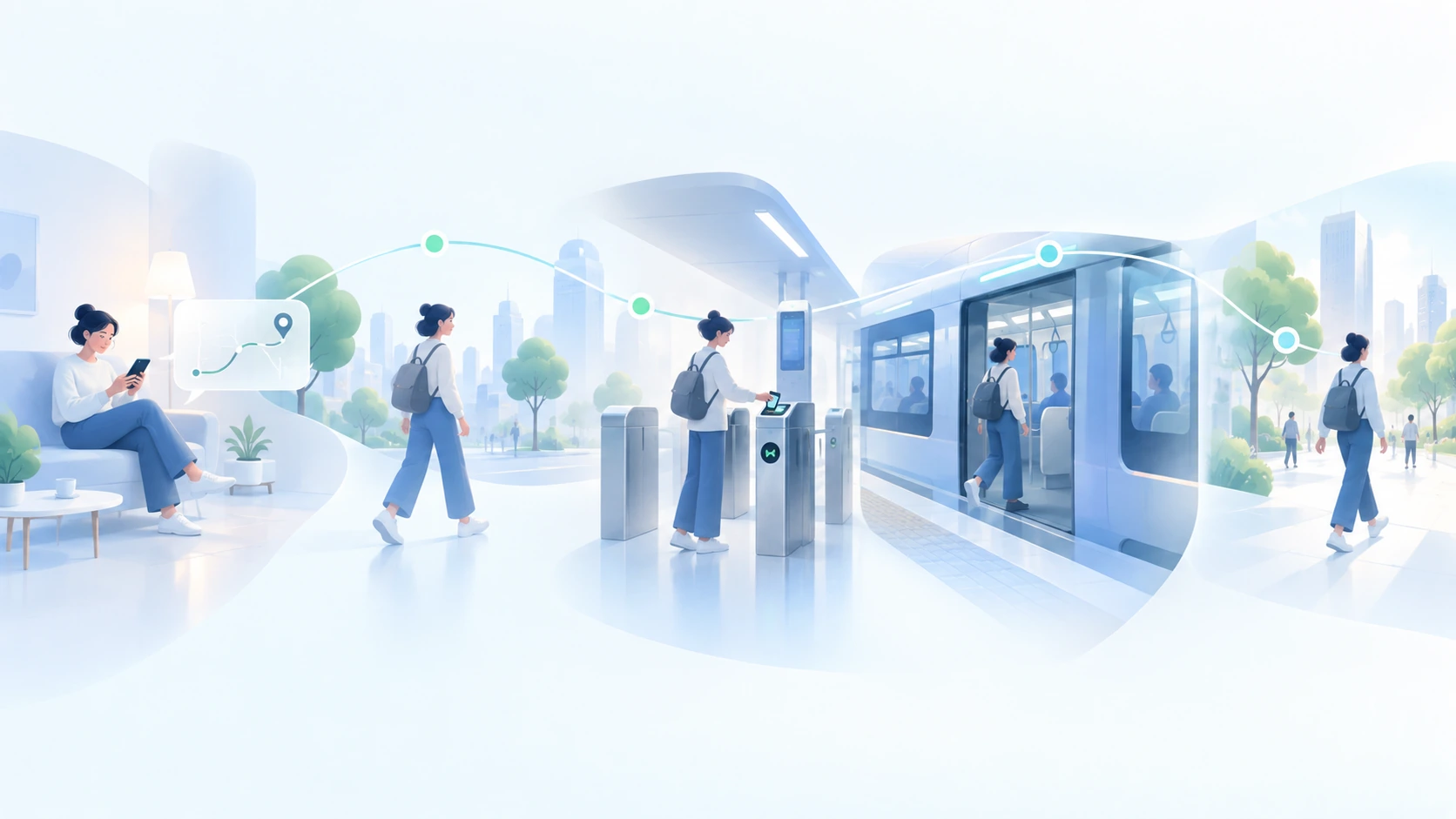
The experience can begin before arriving at the station. We need to know which line to take, when it comes, how much it costs, and how to get there.
Then other situations appear: finding the right entrance, buying or validating a ticket, reading the signage, identifying the platform, understanding a delay, boarding the train, finding a place to stand, and recognizing when to get off.
An application may take part in some of those situations.
But the complete experience is much larger than that application.
This broader view is close to the meaning Don Norman was looking for when he began using the term User Experience at Apple in the 1990s. Norman explains that concepts such as “human interface” and “usability” felt too narrow to describe everything that happened around a product.
Decades later, we are still reducing UX to interfaces.
So, what is UX?
The ISO 9241-210 definition is especially useful because it avoids limiting user experience to graphic design or interaction.
The standard describes it in terms of the perceptions and responses that result from the use or anticipated use of a system, product, or service. It also includes emotions, beliefs, preferences, behaviors, and accomplishments that occur before, during, and after use.
Three things matter there.
- UX involves a person.
- It involves something that person relates to.
- And that relationship happens inside a context.
That is why two people can use exactly the same product and build different experiences.
Their prior knowledge may differ. So may their needs, expectations, abilities, physical state, social context, or urgency.
The experience depends as much on product characteristics — functionality, performance, interactive behavior, presentation — as on prior experiences, skills, attitudes, and context of use.
UX is not entirely inside the product.

It appears in the relationship among person, system, and context.
Before, during, and after
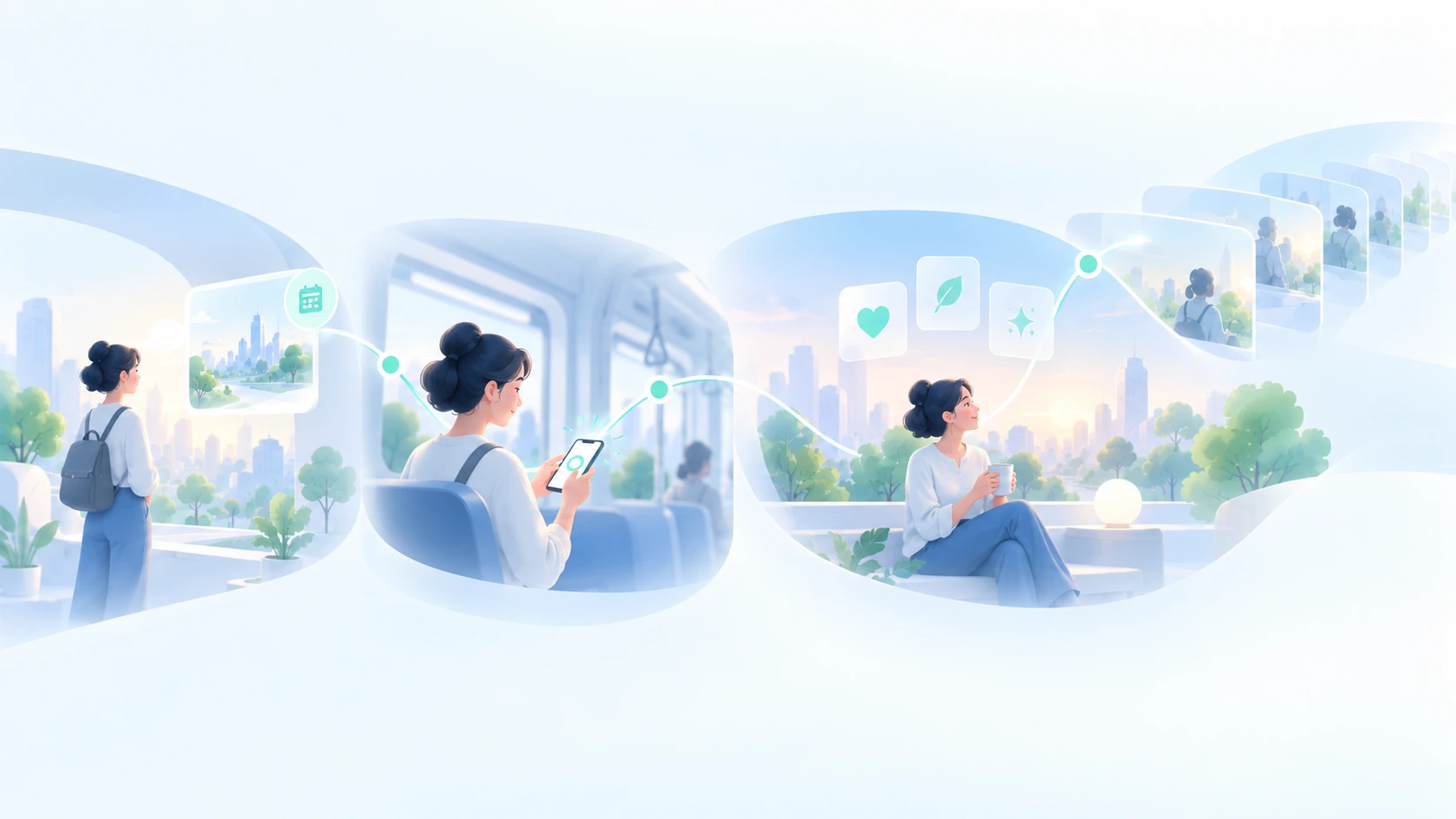
This temporal dimension matters because it explains why UX cannot be reduced to a single session of use.
The work of Virpi Roto, Effie Law, Arnold Vermeeren, and Jettie Hoonhout helped organize this discussion by distinguishing anticipated, momentary, episodic, and cumulative experiences.
Before
- What does the person expect?
- How did they get here?
- What do they think will happen?
- Which previous experiences shape that expectation?
During
- Do they understand what is happening?
- Can they move forward?
- Do they have control?
- Do errors, doubts, or friction appear?
After
- Did they get what they needed?
- What do they remember?
- Do they trust the product?
- Would they use it again?
And over time something even more important appears: the cumulative experience.
A banking app can work perfectly today and still produce a poor cumulative experience if for months it was unpredictable, produced errors, or made problems hard to resolve.
UX also has memory.
UX is not UI
This is probably the most widespread confusion.
The user interface is what a person uses to interact with a system: components, controls, content, visual signals, navigation, and other elements.
The experience is what happens around that interaction.
Nielsen Norman Group uses a very clear example: a site for finding movies could have an impeccable interface and still produce a poor experience if the database does not contain the film the person is looking for.
An interface can be beautiful.
It can even be easy to use.
And the product can still fail to solve the problem.
UI
How is the interface presented and controlled?
Usability
Can the person achieve their goal with effectiveness, efficiency, and satisfaction?
UX
What experience results from relating to this product or service within a context?
UI and usability influence UX enormously.
But UX contains them and exceeds them.
Usable does not necessarily mean a good experience
Imagine an app for booking a medical appointment.
We can complete the form easily. The fields are clear. The buttons work. The process takes a few seconds.
From a certain perspective, the interaction is usable.
But at the end this appears:
No appointments available. Please try again another day.
The form did not fail.
The person’s goal did.
This example shows something important:
Optimizing the interaction is not enough if we ignore what the person is trying to accomplish.
Peter Morville tried to make this breadth visible with his well-known UX Honeycomb. Instead of reducing experience to usability, he proposes looking at dimensions such as usefulness, usability, desirability, findability, accessibility, credibility, and value.
The model is not a universal definition of UX.
But it helps us remember something essential:
- A product can be easy to use and not be useful.
- It can be useful but hard to find.
- It can work and still not feel trustworthy.
- It can look attractive and be inaccessible.
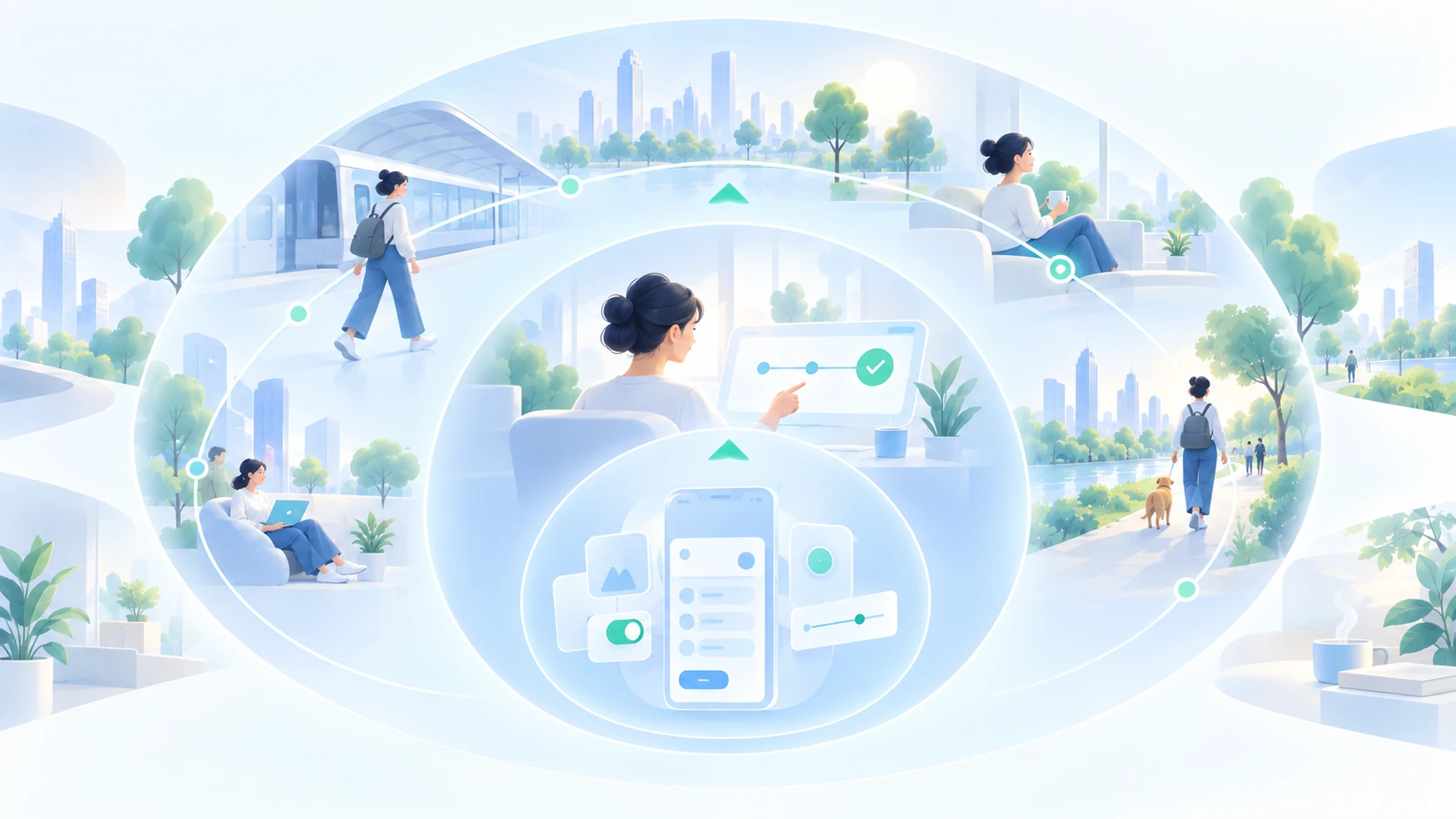
The experience arises from the whole.
UX is not exclusively digital either
User experience was not born with Figma.
Nor does it belong exclusively to websites and applications.
- Vending machines.
- ATMs.
- Airports.
- Transit systems.
- Medical equipment.
- Household appliances.
- Government services.
- A hotel check-in.
All of them generate experiences because there are people trying to accomplish something through designed systems.
Norman argues for a systemic view of the product: the experience can include discovering it, buying it, anticipating its arrival, opening it, using it for the first time, learning, asking for help, maintaining it, and eventually replacing it.
That changes the question quite a bit.
What is the person trying to accomplish, and which parts of the system take part so they can achieve it?
The screen reappears afterward.
As one part of the answer.
Can we really design an experience?
We constantly say:
We design experiences.
But an experience contains components we do not control.
We cannot directly design what a person will feel.
We cannot determine exactly which memories they will bring with them.
We cannot fully control where they will use the product, what expectation they will have, or what happened five minutes earlier.
That is why it is more accurate to think that we design the conditions that can produce certain experiences.
We can design:
- the available information
- the structure
- the possible actions
- response times
- system behavior
- transitions
- messages
- error recovery
- accessibility
- support
- coordination across channels
Then a person experiences all of that from their own context.
This difference is not semantic.
It forces us to abandon the fantasy of controlling the user.
The experience emerges from a system
We can represent UX quite simply:
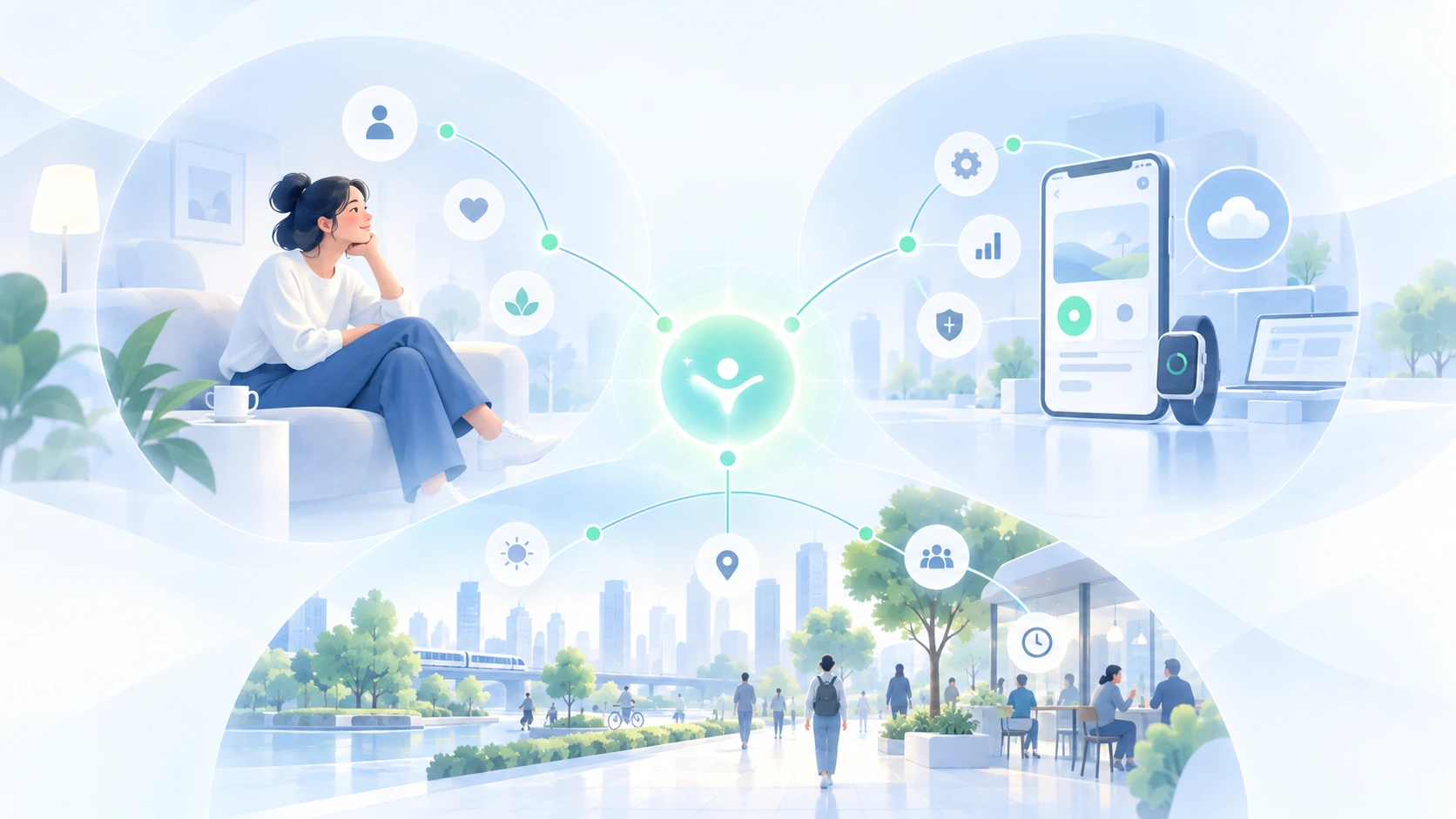
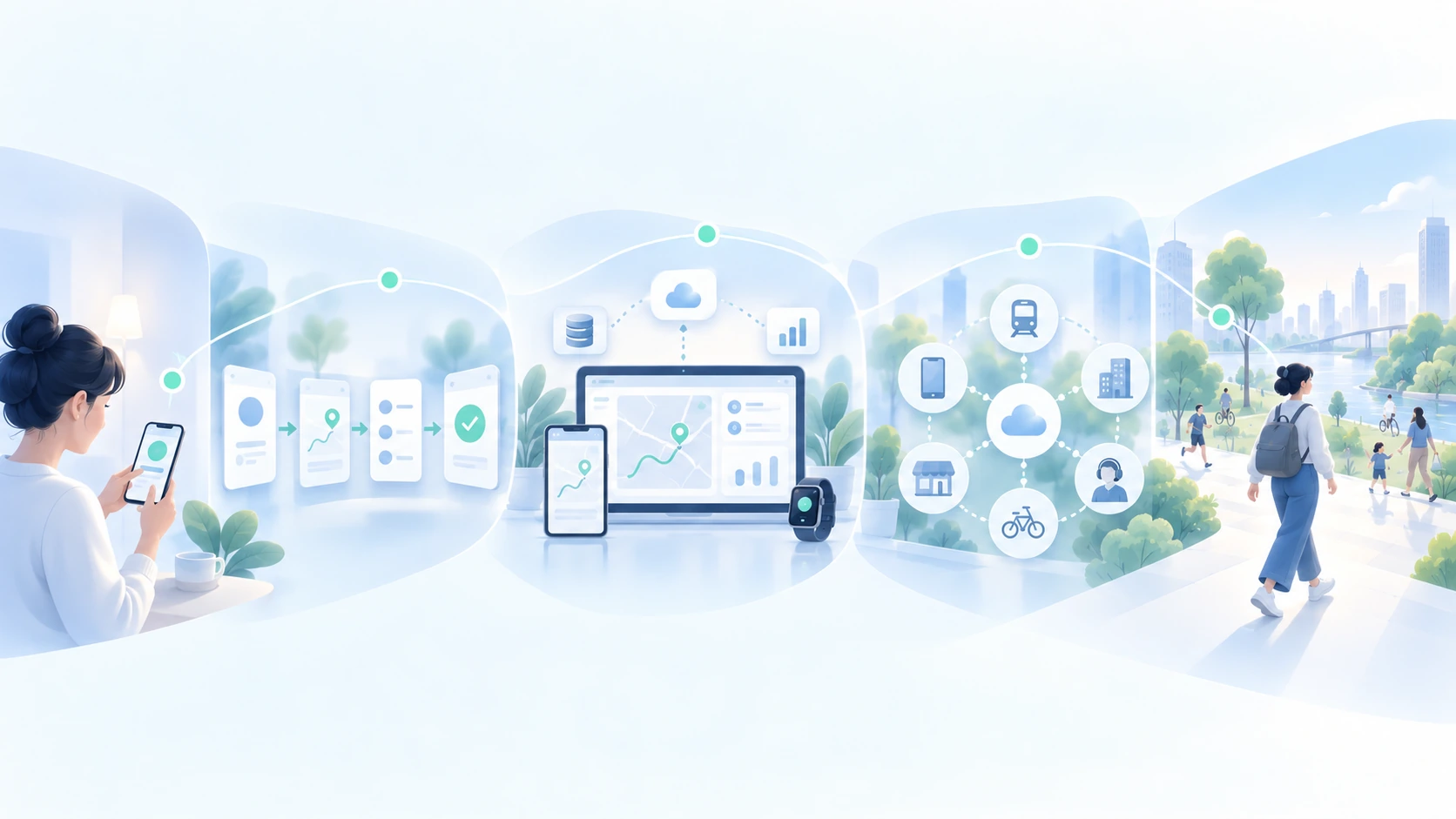
PERSON + PRODUCT / SERVICE + CONTEXT → EXPERIENCE
On the person’s side appear prior experience, needs, abilities, and expectations.
On the product’s side appear functionality, information, interaction, and performance.
And around both there is a context: place, time, device, situation, and other people.
None of these elements explains the experience on its own.
That also explains why copying a successful interface does not guarantee copying its UX.
- The context may be different.
- The users may be different.
- The value proposition may be different.
- The available data may be different.
- The constraints may be different.
We copy the screen.
We do not copy the system.
So, what does UX do?
If we cannot directly design an experience, what does it mean to work in UX?
It means intervening intentionally in those aspects of the product that we can change.
- Research to understand people and contexts.
- Define problems.
- Organize information.
- Design flows and interactions.
- Work on content and language.
- Prototype alternatives.
- Evaluate them with people.
- Measure what happens once they are implemented.
- Detect problems and design again.
UX is not one of those artifacts.
It is a practice that connects several of them.
That is why it helps to distinguish User Experience as a phenomenon from UX as a professional field dedicated to understanding and improving that relationship among people, organizations, products, and services.
This difference helps quite a bit:
UX is the experience. UX Design is a practice that tries to influence it through design.
Good UX does not mean “making the user happy”
Another frequent shortcut is to define UX as:
Creating pleasant experiences.
That is insufficient.
There are products whose main goal is not to produce pleasure.
- An emergency system.
- A banking app.
- A tool for airport operations.
- Medical software.
- An administrative system.
In those contexts, clarity, reliability, error prevention, traceability, control, speed, or recovery may matter more.
The experience can be good without being fun.
The criterion depends on purpose and context.
Sometimes the best design almost disappears
Good design does not always need to call attention to itself.
Often it works precisely because it lets us concentrate on what we want to do.
- We do not think much about the door that opened correctly.
- About the sign we understood immediately.
- About the form that needed no explanation.
- About the app that let us resolve something and get on with our day.
When friction appears, the system becomes visible.
When it works coherently, it often disappears behind the activity.
That does not mean UX consists of making everything invisible.
It means that the product should not constantly force the person to think about the product when they are trying to think about their goal.
A simple way to look at an experience
If we need to analyze a product quickly, we can start with five questions:
- What is the person trying to accomplish? Not which screen they want to use, but which result they are looking for.
- What happens before, during, and after? The visible interaction may be only a fragment.
- Which parts of the system shape that result? Interface, content, data, processes, support, and technology.
- What do they need to understand, decide, or remember? That is where many of the design opportunities appear.
- How do we know whether the experience works? We need evidence: research, behavior, metrics, and outcomes.
It does not replace a UX process.
It helps us avoid starting directly with the screen.
UX is designing relationships, not only interfaces
The term User Experience emerged precisely because concepts such as interface and usability were not enough to describe everything that influenced a person’s relationship with a product.
Over time we did something curious.
We took that broad concept and enclosed it inside a screen again.
Recovering its original meaning does not mean every UX project has to redesign entire organizations.
It means understanding the limits of the fragment we are working on.
A screen belongs to a flow.
A flow belongs to a product.
A product is part of a service.
And that service enters the life of someone who already had goals, expectations, and experiences before they met us.
UX happens in that relationship.
Our work is to understand it well enough to design better conditions for people to do what they need to do.
We do not design the complete experience.
But we can influence it deeply.
In short
UX is not a screen, a deliverable, or a visual layer. It is the experience that emerges from the relationship among a person, a product or service, and the context in which that relationship happens. UX Design works on the conditions that can improve that experience.
Sources
- Don Norman. Where did the term User Experience (UX) come from? and Systems Thinking: A Product Is More Than the Product. Norman explains the origin of the term and its systemic scope.
- ISO 9241-210:2019. Ergonomics of human-system interaction — Human-centred design for interactive systems. Reference for the definition of user experience and its relationship to context, perceptions, and responses.
- Nielsen Norman Group. What Is User Experience?. Distinction among UX, UI, usability, and UX as a professional practice.
- Roto, V.; Law, E.; Vermeeren, A.; Hoonhout, J. (2011). User Experience White Paper: Bringing clarity to the concept of user experience.
- Peter Morville. UX Honeycomb. A model for looking at usefulness, usability, desirability, findability, accessibility, credibility, and value.