
Before the flight
- 01 Search
- 02 Quote
- 03 Book
- 04 Pay
- 05 Manage trip
Booking, sales, check-in, operations, distribution, loyalty, and passenger services are part of the same operation.
My work at KIU was to design products and systems able to coexist inside that ecosystem.
01 · The domain
Before the flight
Travel day
After
Actors involved
The passenger experience is only the surface.
02 · One operation, many actors
Conceptual map of a flight operation. It does not represent a real flight or client data.
Passenger
Airline
Flight
Airport
Agencies
A flight is not a product. It is a shared operation.
03 · The platform
KIU System Solutions offers a suite of digital solutions that connects airlines, travel agencies, and passengers. The grouping below is a visual device for this case study, not an official corporate taxonomy.
Editorial grouping for this case study
04 · The challenge
The design problem was not only optimizing screens. It was creating coherence without ignoring operational complexity.
05 · My responsibility
Collaboration
06 · The change in scale
This was not a blank slate: the suite already existed. The shift was one of maturity — moving from local decisions to a common language that could scale.
Before
After
Shared experience
07 · From problems to capabilities
Condition
Products with inconsistent patterns
Decision
Create a shared language
Capability
KIUverse / Design System
Condition
Complex operations
Decision
Design around tasks, states, and exceptions
Capability
UX architecture
Condition
Users with different expertise
Decision
Adapt density and progressive disclosure
Capability
Interaction patterns
Condition
Many teams building
Decision
Systematize decisions
Capability
Tokens and components
Condition
Critical contexts
Decision
Validate behavior
Capability
Research and usability testing
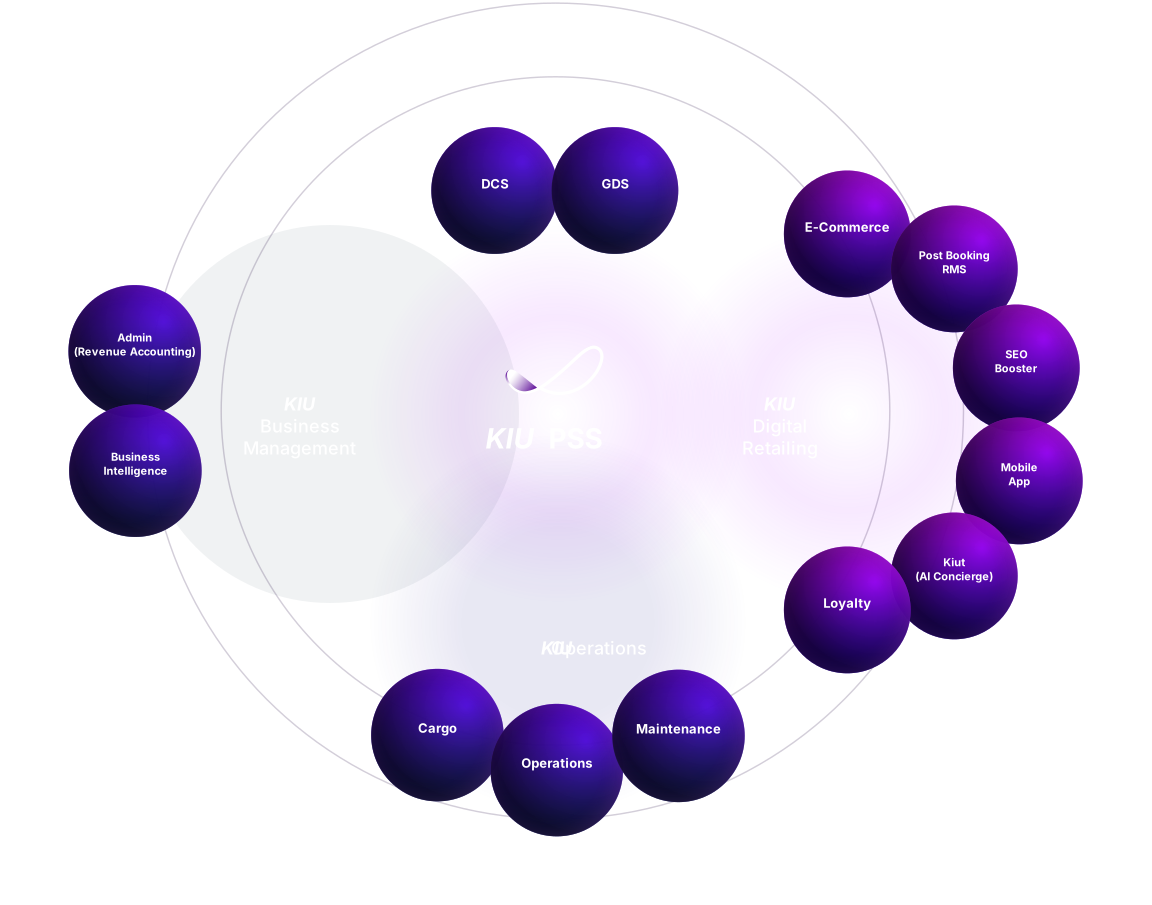
08 · The ecosystem
Linked nodes open a published case. The rest appears as suite context.
KIU ecosystem diagram. Passenger services at the top. Distribution and PSS in the center. Check-in and operations below.
09 · Projects
Some problems required transversal decisions. Others deserved a deep exploration inside a single product.
DCS / Airport Operations
01Redesigning a critical tool to reduce complexity during the check-in operation.
In progress

Shared system
02A shared visual and interaction language for products that have to coexist.
In progress
Commerce and distribution
03Designing direct sales without disconnecting them from the rest of the operation.
In progress
Commerce and distribution
04Complex booking workflows for users with different levels of expertise.
In progress
Passenger services
05Loyalty as part of the same operation, not as an isolated product.
In progress
Operations
06Cargo operations that coexist with the rest of the suite.
In progress
At KIU, the work did not end on a screen. It meant building consistency across products, respecting operational complexity, and leaving design infrastructure that could keep evolving.
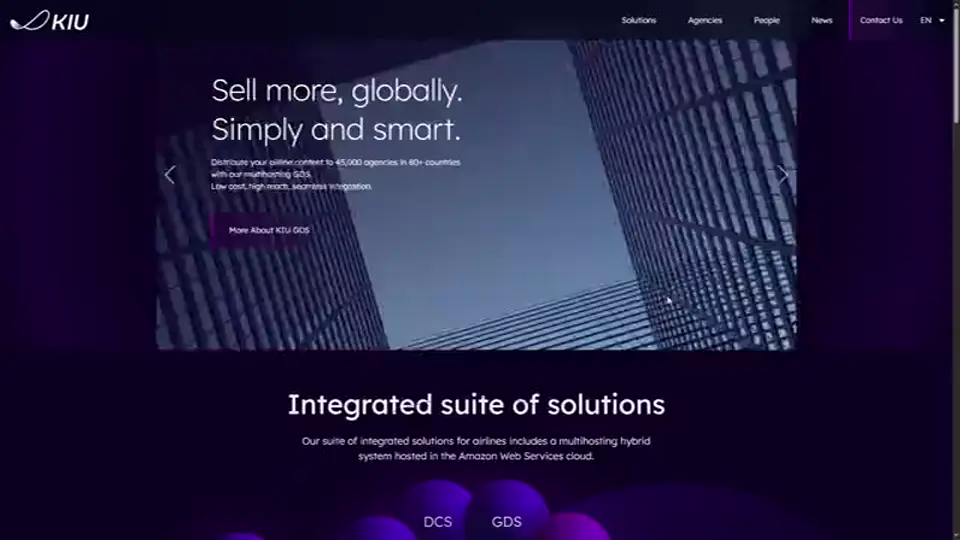
Explore caseKIU System Solutions is a technology company for the airline industry. It offers a full suite that connects airlines, travel agencies, and passengers on a unified platform. Its services are present in Latin America, Africa, and Europe, supporting flight operations and distribution.


Unified design system for the KIU suite
End-to-end platform for airline reservation management
Loyalty and rewards system for airlines
Departure control system and flight operations
Air cargo management platform
Online booking engine for passengers and agencies
As UX Lead, I lead the design team with a philosophy of shared practices, transparent decisions, and ongoing collaboration with product and engineering. We design critical digital services for airlines across different regions.
Team members
UX Lead
Product Designers
Frontend Developers
Backend Developers
Product Managers
My main contributions as UX Lead focused on standardization, scalability, and user experience across the suite:
Definition and maintenance of the KIUverse design system based on Material 3, applied across the suite’s products.
Design of key flows for reservations, check-in, departure control, and loyalty programs.
Application of accessibility criteria and usability testing in products used across different markets and operational contexts.
Definition of reusable components and guidelines to keep consistency between new and existing products.
At KIU we work with agile methods and modern technologies to support the suite’s scalability.